Undergraduate
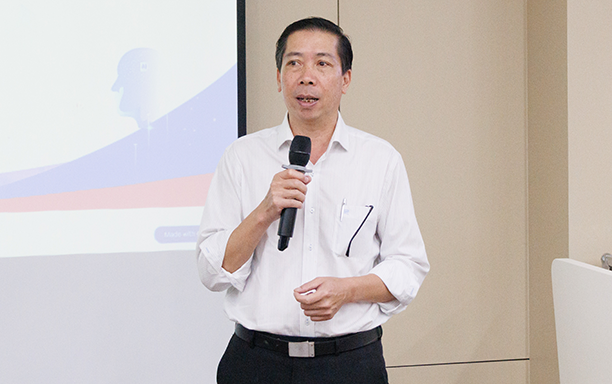
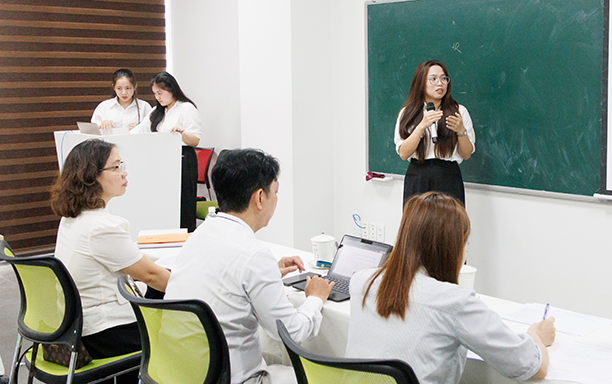
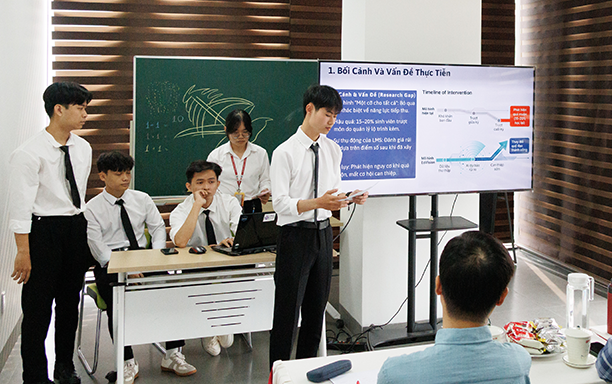
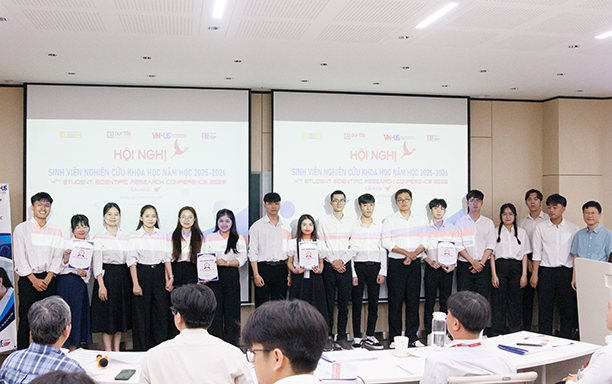
On April 25, 2026, DTU International School hosted its fourth Student Scientific Research Conference. Going beyond theoretical ideas, the projects this year were developed into fully functional software, with the potential for direct application in businesses and everyday life.
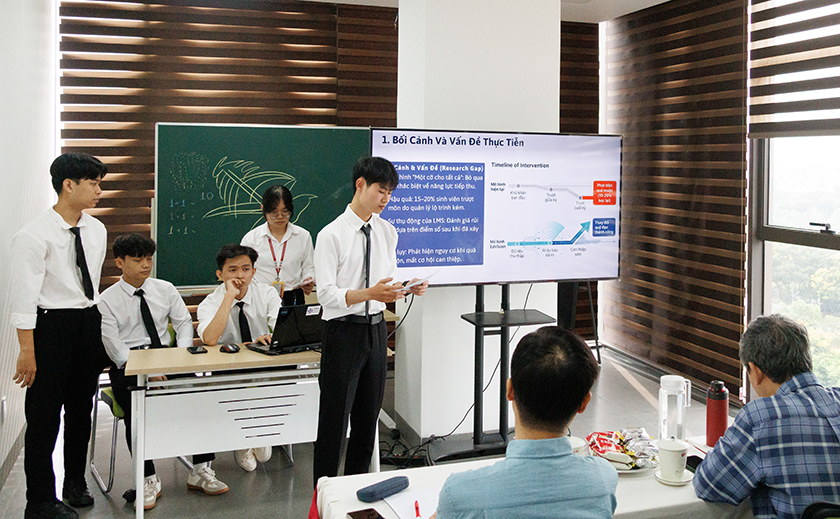
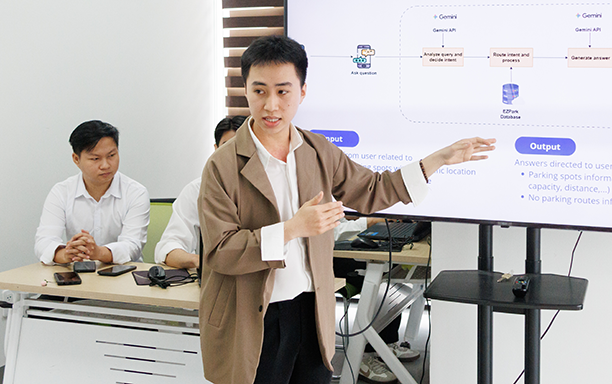
International School students confidently presented their research at the conference
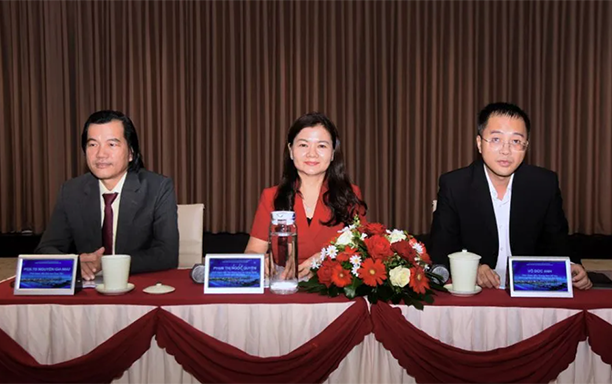
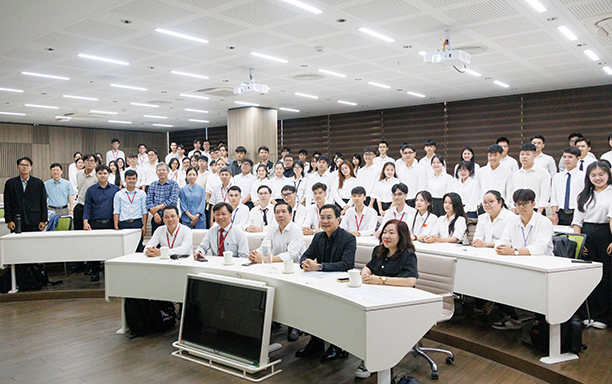
The fourth Student Scientific Research Conference of the International School brought together nearly two hundred students - teams giving presentations and a large number of other students from the School. The quality of submissions was evident from the rigorous selection process: in IT (CMU), 15 out of 21 projects for were selected for presentation, while in Business (PSU), all 13 projects were selected. The presentations were divided into four subsessions to give space to dynamic, multi-dimensional, and in-depth academic discussions.
In IT, the students demonstrated their outstanding capabilities by combining academic research with fully developed products. Many projects applying artificial intelligence (AI), edge computing, and microservices were implemented as real-world systems for web or mobile. Notably, this year marked the first time that projects were submitted in cybersecurity, all of which showcased the students’ agility in identifying security vulnerabilities in the digital age.
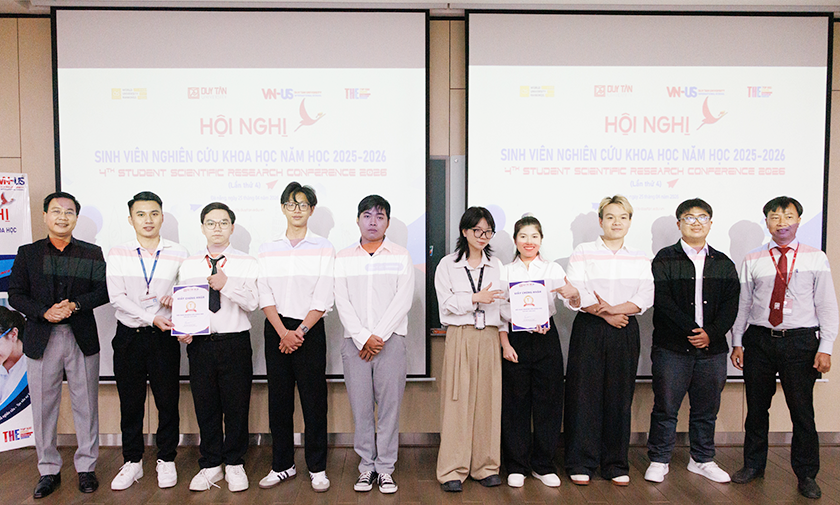
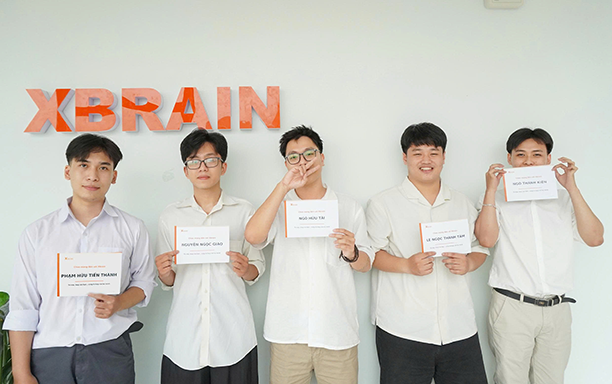
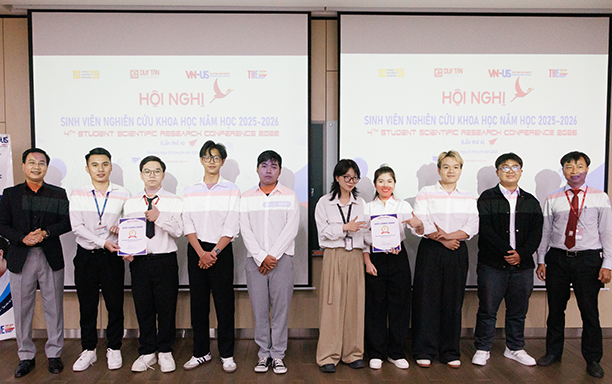
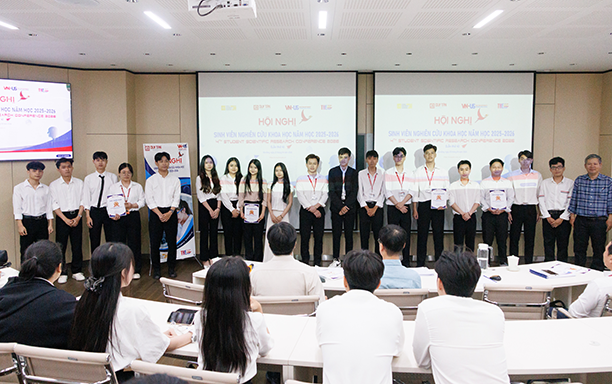
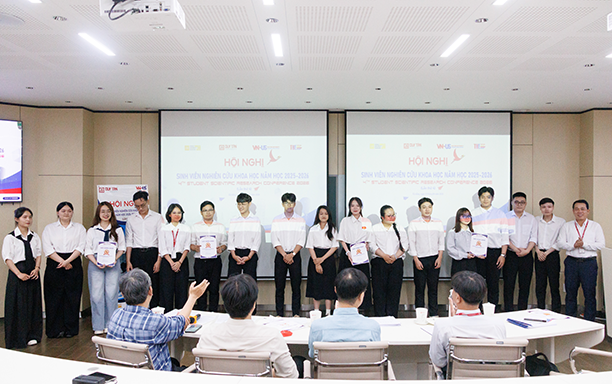
The organizers presented first prizes to the winning teams
Meanwhile, projects in Business made their mark with modern thinking in terms of data analysis, applying models such as PLS-SEM and MGA on the SmartPLS platform. The studies addressed current issues such as greenwashing in the F&B industry, cryptocurrency investment, and peer-to-peer (P2P) lending, which have highly practical managerial implications.
The projects that won first and second prizes stood out for their innovation in both methodology and applicability. Highlights included the use of AI to create an online examination system capable of detecting cheating with high accuracy, and a study analyzing green consumer behavior among students in Danang under the influence of greenwashing. The projects in cybersecurity, data science, and fintech demonstrated depth of research and the students’ rigorous scientific thinking.
Beyond first and second prizes, many other outstanding projects were recognized with third and fourth prizes across areas such as AI, natural language processing (NLP), chatbots, circular economy, and healthcare technology. Many of these projects not only featured advanced technological approaches but also reflected deep humanist values.
To close the conference, the organizers gave awards for the most outstanding projects:
Two first prizes:
- “Using AI to develop an online examination manager (OEM) with cheating detection”,
- “Impact of greenwashing perception on green F&B consumption behavior among students in Danang”.
Three second prizes:
- “Research into layered AI to reduce false positives in network intrusion detection systems (NIDS)”,
- “Unified combined machine-learning framework for software effort estimation across multiple measurement schemes”,
- “Research into factors influencing intention to use peer-to-peer (P2P) lending services”.
Four third prizes:
- “Environmental pollution quantification system based on multi-task learning and ordinal regression”,
- “SkinAid: Skin wound detection & classification”,
- “Factors influencing financial investment intentions among Gen Z: the moderating role of KOLs”,
- “Impact of virtual try-on (VTO) technology on online cosmetic purchase intentions”.
Eight fourth prizes were awarded to projects in cybersecurity, edge AI, RAG chatbots, NLP, and circular economy.
(Media Center)
Other News