Undergraduate
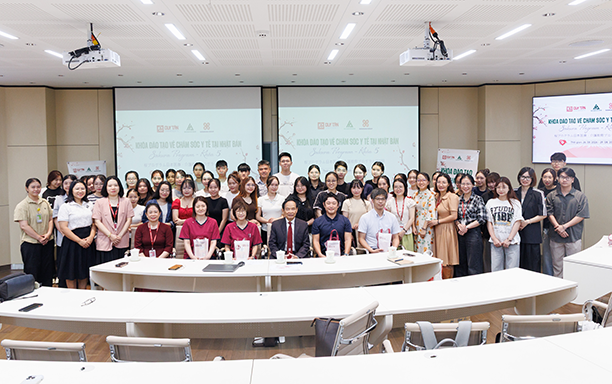
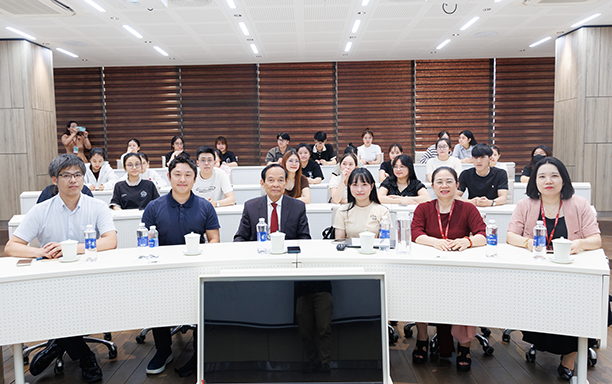
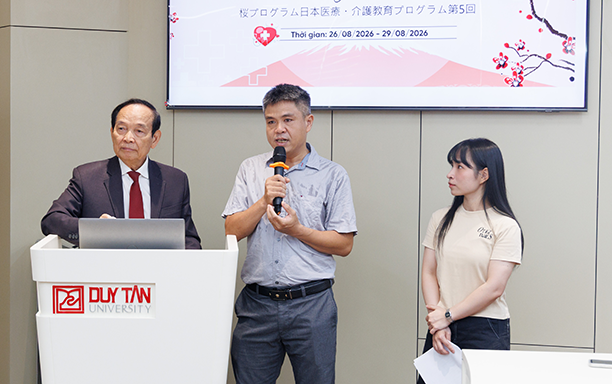
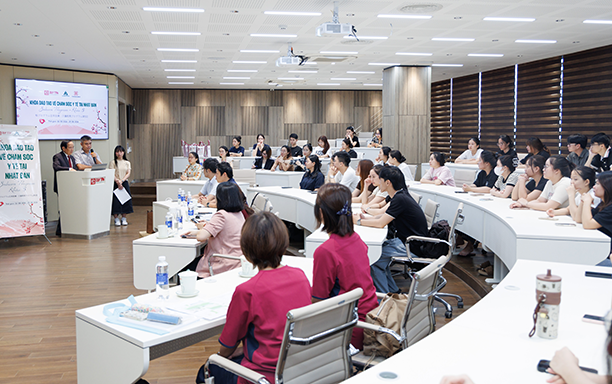
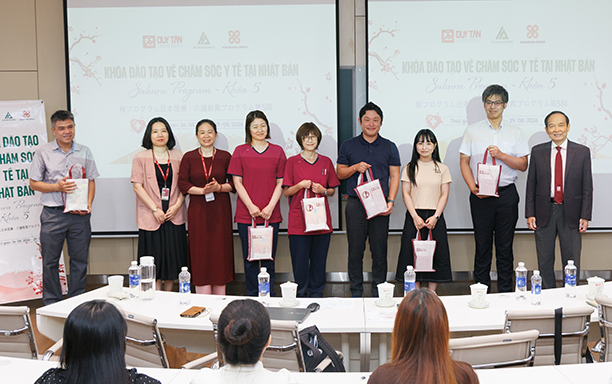
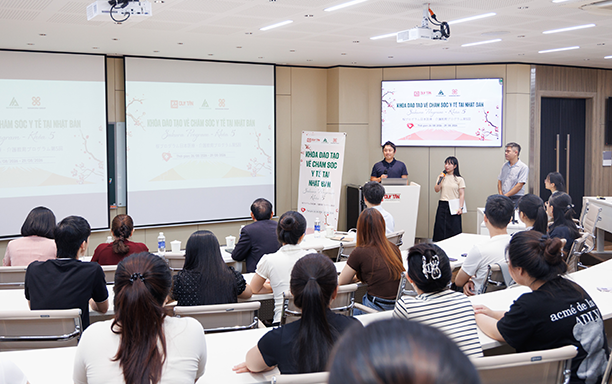
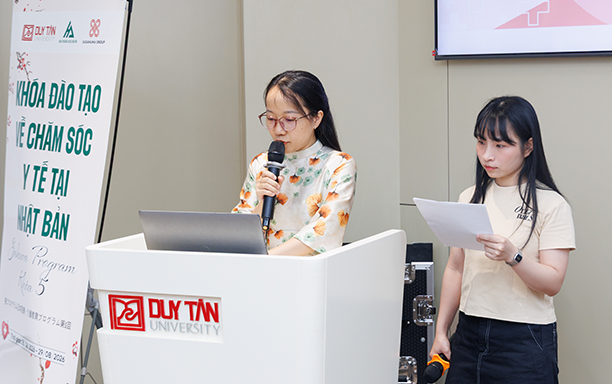
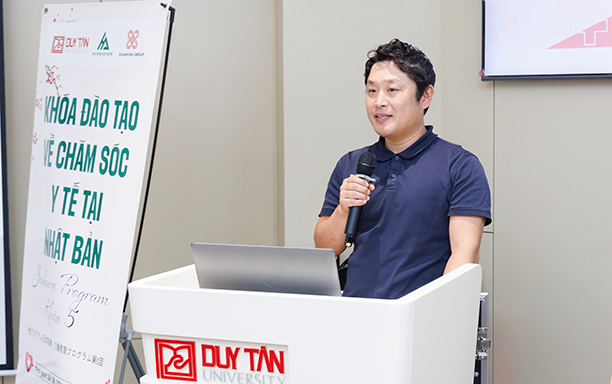
Building on the success of the previous four cohorts, the Japanese-Standard Healthcare Training Program - SAKURA Cohort 5 was held for students of the Faculty of Nursing at Duy Tan University (DTU) from August 26 to 29, 2026. A key initiative in the ongoing collaboration among DTU’s Faculty of Nursing, Healthcare Accelerator (HA), and Japan’s Suganuma Group, the program offered students opportunities to acquire knowledge and patient-care skills based on Japanese standards while gaining insight into Japan’s distinctive culture and professional practices.
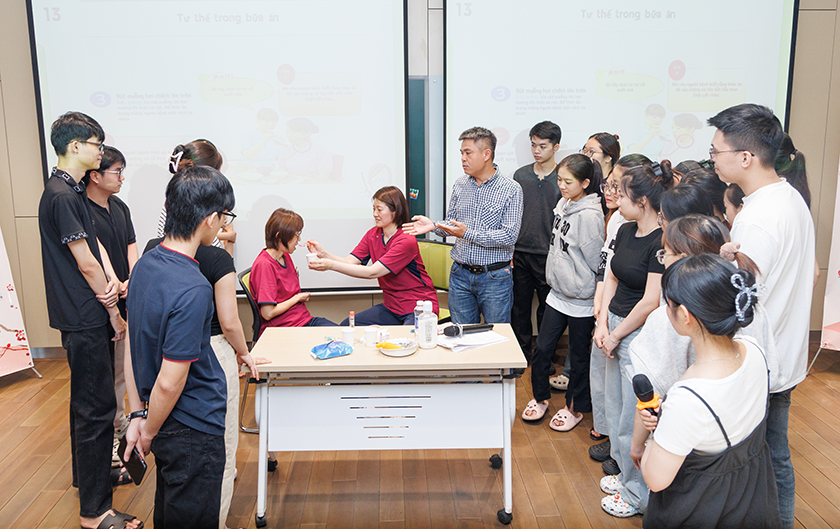
HA nursing instructors guide DTU students in caring for the elderly
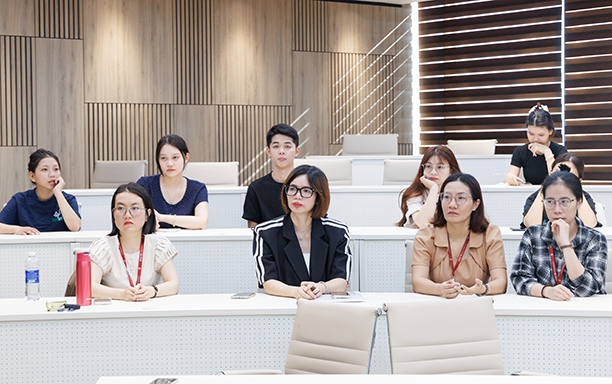
SAKURA Cohort 5 brought together 30 students from DTU’s Faculty of Nursing. Throughout the program, they received instruction from HA nursing professionals with extensive expertise in various areas of care, with organizational support from Suganuma Group.
Combining theory with hands-on practice, the program enabled students not only to strengthen their professional knowledge but also to experience situations commonly encountered when caring for older adults and other patients. Through these activities, the students gained a deeper understanding of the demands of the nursing profession and the importance of dedication, precision, and safety in healthcare.
One of the program’s highlights was its practical training in daily caregiving activities. These included caring for patients with dementia, participating in an aging simulation, assisting older adults with eating, helping them move safely in wheelchairs, and repositioning patients. Students also learned about infection prevention and control measures used in Japan, gaining further insight into Japanese standards of healthcare safety and quality.
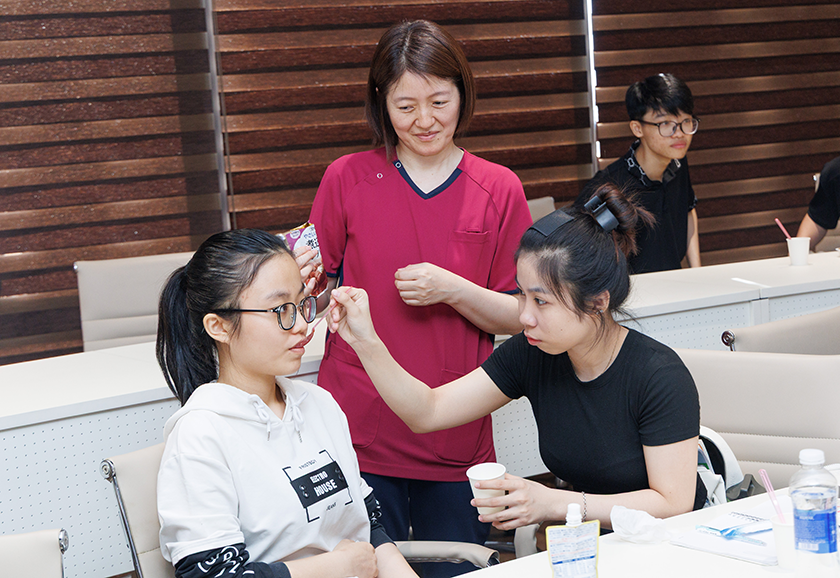
Students practice assisting the elderly with eating
In addition to developing professional skills, SAKURA offered immersive experiences designed to help students better understand the feelings and needs of those receiving care. During the aging simulation, students had an opportunity to put themselves in the position of individuals who require assistance with seemingly simple daily activities such as moving, eating, and changing position.
These experiences helped students become more aware of the difficulties older adults may face and encouraged them to approach patients with greater patience and empathy. Practicing patient-assistance techniques also taught them to perform each procedure with care and precision. These skills will prove highly valuable when the students begin working in hospitals, healthcare facilities, or elder-care institutions.
Beyond professional knowledge and skills, the SAKURA program introduced students to Japanese culture, people, working environments, and approaches to healthcare. Japan’s model of care places particular emphasis on safety, professionalism, and respect for care recipients.
Exposure to these principles during their university studies helps students better envision a modern professional environment and proactively develop the skills needed to work in an increasingly international context. The program also broadens their career perspectives, particularly at a time when demand is growing for highly skilled nursing professionals who can adapt to international working environments.
First launched in 2022, the Japanese-Standard Healthcare Training Program - SAKURA has gradually become an enriching, experience-based educational initiative for students of DTU’s Faculty of Nursing. With each cohort, the program has equipped students with theoretical knowledge, practical skills, and real-world experience related to the Japanese healthcare model.
SAKURA Cohort 5 continues to reflect DTU’s commitment to integrating specialized academic knowledge with practical experience, strengthening international cooperation, and expanding opportunities for students to explore their future careers. The skills acquired through the program will not only support students throughout their studies but also provide valuable preparation, enabling them to enter the workforce with greater confidence after graduation.
(Media Center)
Other News