Research
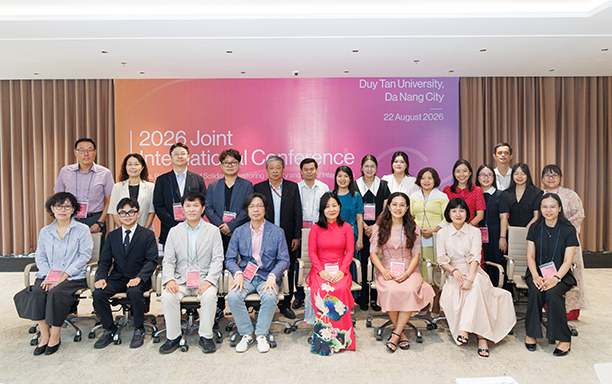
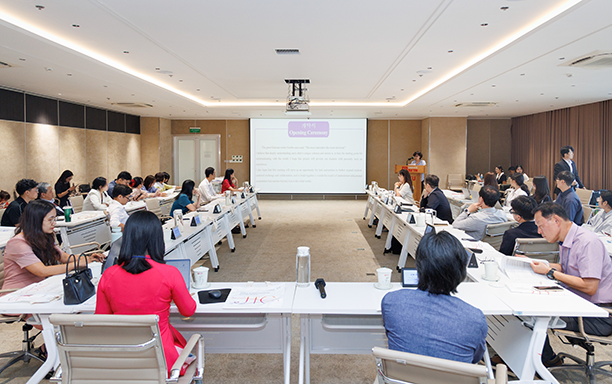
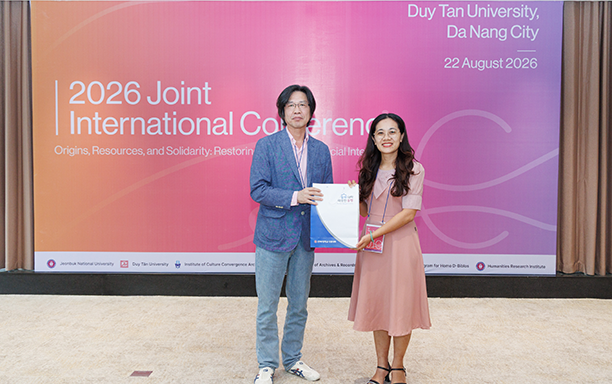
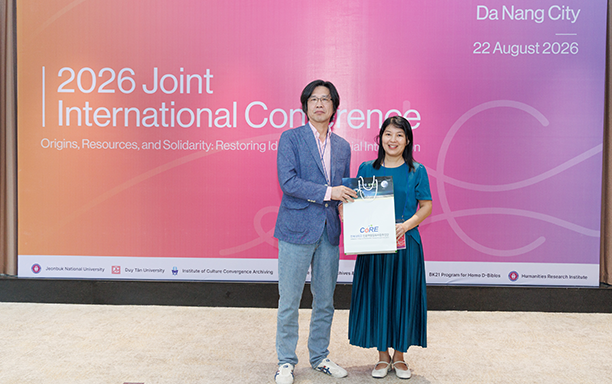
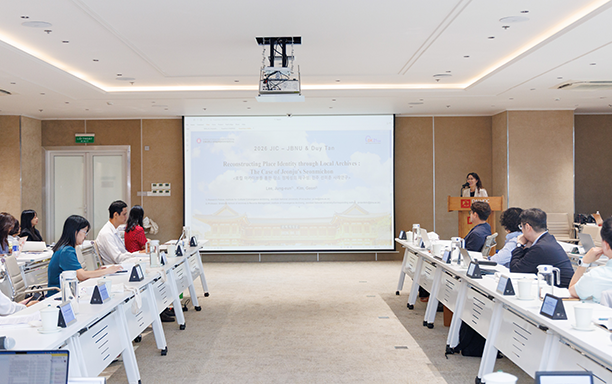
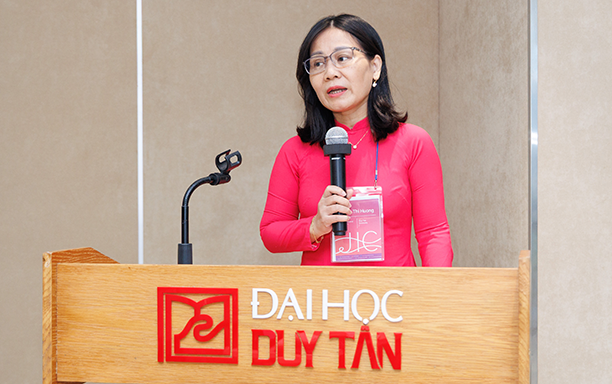
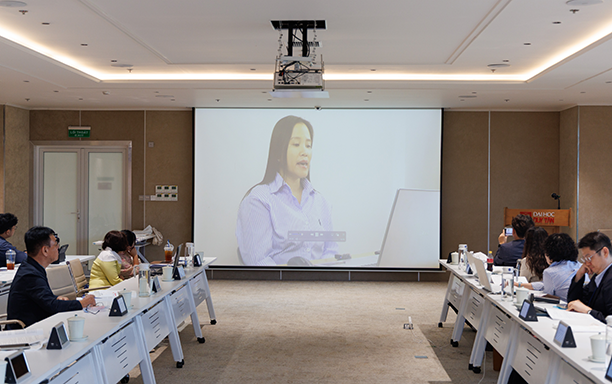
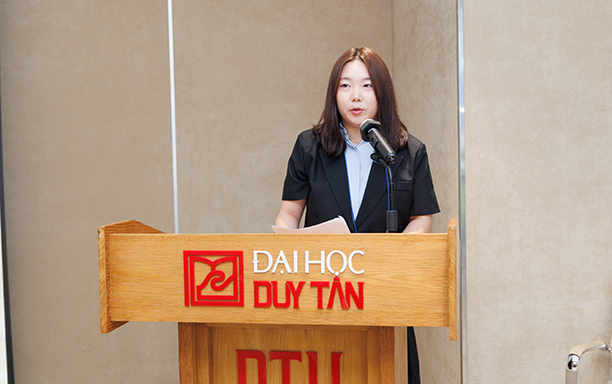
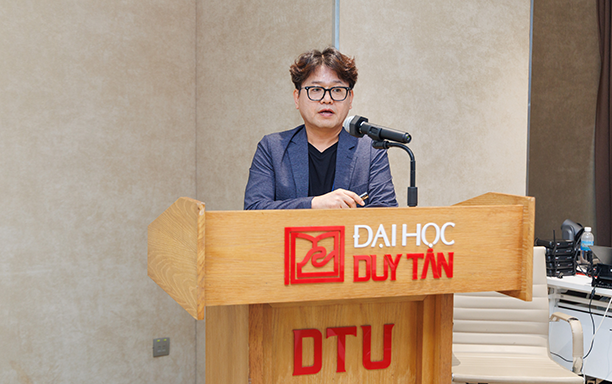
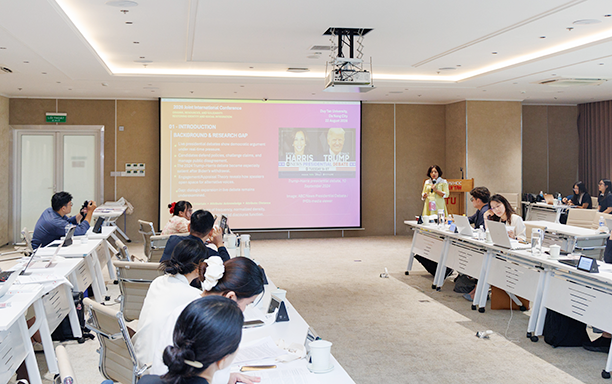
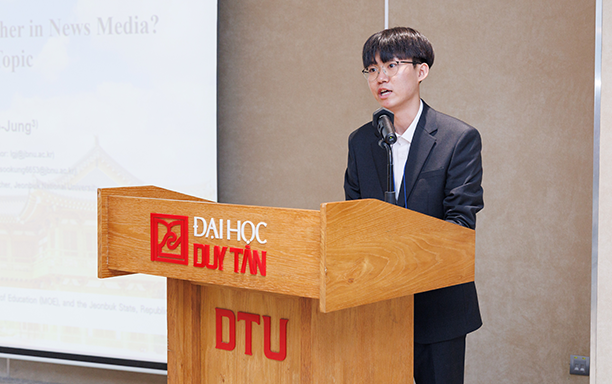
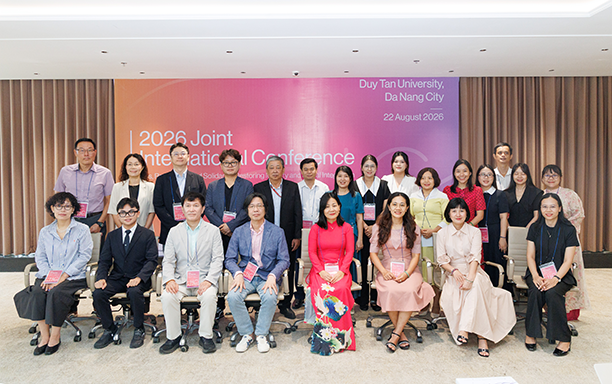
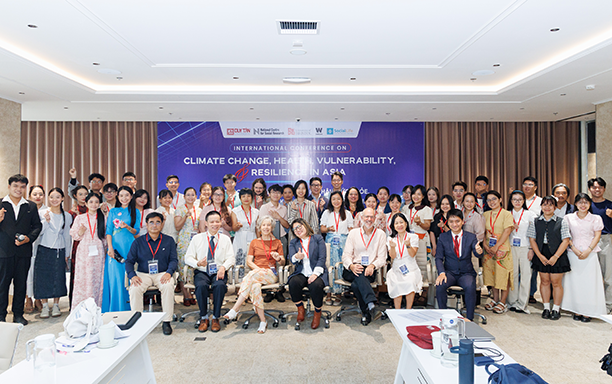
On August 22, 2026, Duy Tan University (DTU), in collaboration with Jeonbuk National University (South Korea), organized the Linkage International Conference 2026. The event brought together a large number of professors, researchers, and scholars from various disciplines, providing a forum for academic exchange and intercultural dialogue while strengthening connections among higher education institutions across Asia.
The Linkage International Conference 2026 provided a forum for academic exchange
and intercultural dialogue while strengthening connections among higher education institutions across Asia
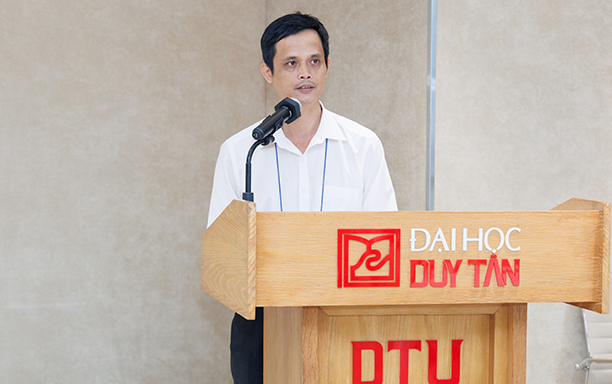
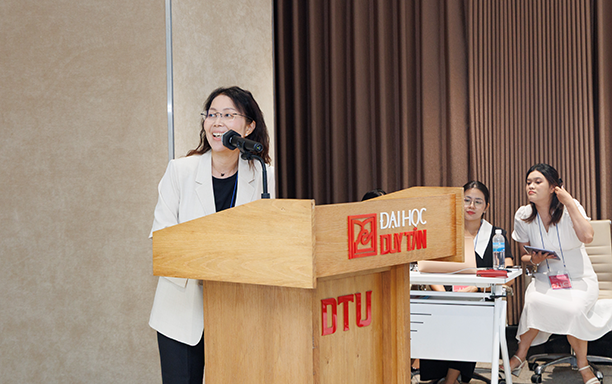
Delivering the opening remarks, Dr. Hoang Thi Huong, Acting Rector of the School of Languages, Humanities and Social Sciences at DTU; Prof. Yang Dongmin, Director of the Center for Cultural Convergence Research and Archives; and Prof. Oh Hyo-Jung, Head of the Graduate School of Archives and Records Management at Jeonbuk National University, all emphasized the importance of interdisciplinary research in the context of globalization. They noted that the intersection of language, culture, society, communications, and technology not only broadens research approaches but also creates further opportunities for scholars to share knowledge and seek appropriate solutions to contemporary issues.
Featuring 17 research papers presented under three overarching themes, the Linkage International Conference 2026 offered diverse perspectives on history, culture, language, society, and technology. The presentations followed a coherent progression, from identifying foundational values and harnessing knowledge resources to promoting greater understanding and solidarity among communities in intercultural settings.
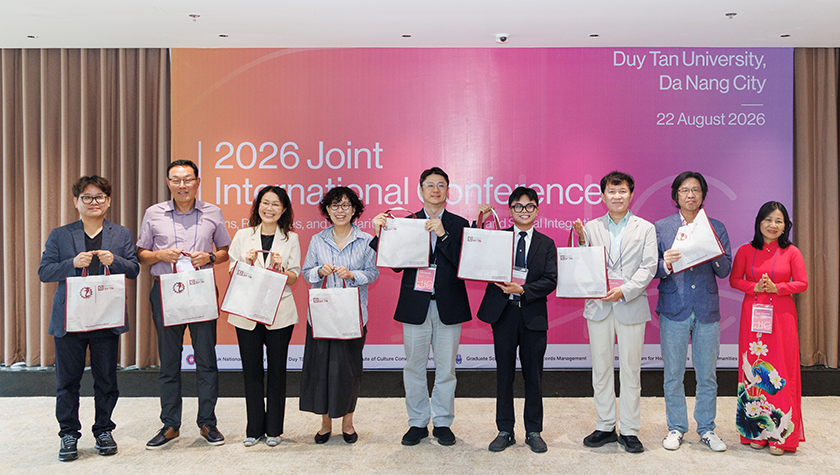
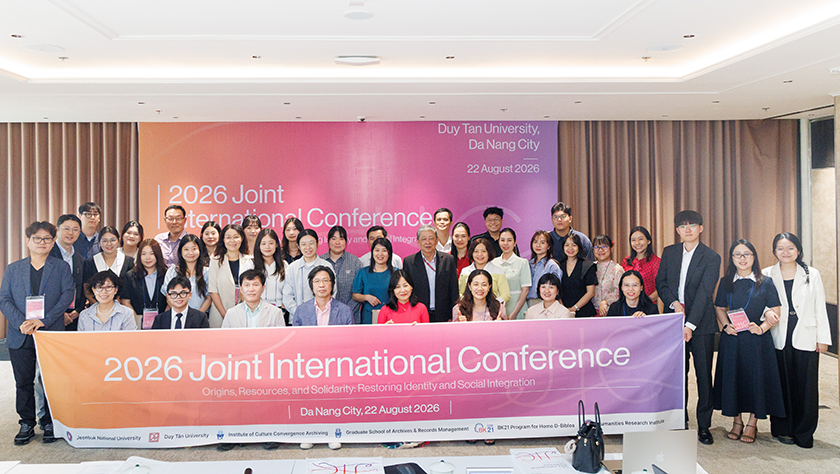
Academic leaders, researchers, and experts worldwide attended the Linkage International Conference 2026 at DTU
The discussion series began with the theme “Origins: Cultural Memory, Heritage, and the Reconstruction of Identity,” comprising six papers that explored issues related to memory, history, and identity formation. Scholars examined transnational memory in Vietnam–South Korea relations, highlighted the role of local archival materials in constructing place-based identity, and approached psychological healing through a comparative study of literary works by Vu Bang and Hwang Jungeun. Moving beyond similarities and differences in cultural life, the studies also addressed tangible manifestations of heritage and traditional culture, including the structure of calligraphic scripts, postal media, and marriage culture. In this way, historical and cultural values were viewed not merely as traces of the past but also as important sources for studying the formation and reconstruction of identity in modern society.
Continuing the exploration of culture and identity, the theme “Resources: Language, Knowledge, and Digital Resources for Social Inclusion” shifted the discussion toward practical issues in education, linguistics, and digital transformation. Several studies examined nominalization in Vietnamese involving Korean linguistic elements, the integration of folktales into the development of cultural curricula, and models for intercultural English-language education and technical writing instruction. Notably, research on digital resources and data demonstrated an increasingly evident trend toward the application of technology in the preservation, archiving, and utilization of knowledge. Proposals concerning metadata standardization for digital K-pop archives and methods for utilizing national bibliographic data in Vietnam and South Korea opened up new approaches to managing and sharing knowledge resources across national borders.
The final theme, “Solidarity: Media, Society, and Intercultural Understanding,” focused on the relationship among communications, social life, and the capacity to connect communities in the modern world. The studies presented multidimensional approaches, ranging from discourse analysis in political debates and examinations of the representation of female marriage migrants in literature to AI-powered modeling of perceptions in bilateral news coverage using Dynamic BERTopic. Of particular interest was a study applying Human Pose Estimation to analyze movements in Taekwondo and Vovinam. The combination of digital technology and research into traditional martial arts highlighted the potential of interdisciplinary methods to broaden the scope of research while generating new approaches to cultural values and physical activities.
Beyond serving as a venue for presenting research findings, the Linkage International Conference 2026 also enabled Vietnamese and South Korean scholars to engage in direct exchanges, share research methodologies, and identify areas of academic convergence. From cultural memory, heritage, and language to digital data, communications, and artificial intelligence, the conference demonstrated the power of interdisciplinary research to connect knowledge and people. The success of the Linkage International Conference 2026 further expanded the scope of cooperation between DTU and Jeonbuk National University, while laying the groundwork for more extensive research, scholarly publishing, and cultural exchange initiatives in the future.
(Media Center)
Other News