Research
Workshop on the Development of 2026–2030 Communications Plan for Science, Technology, Innovation, and Digital Transformation in Danang
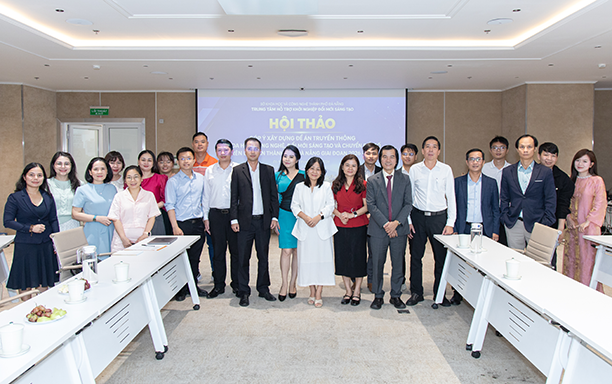
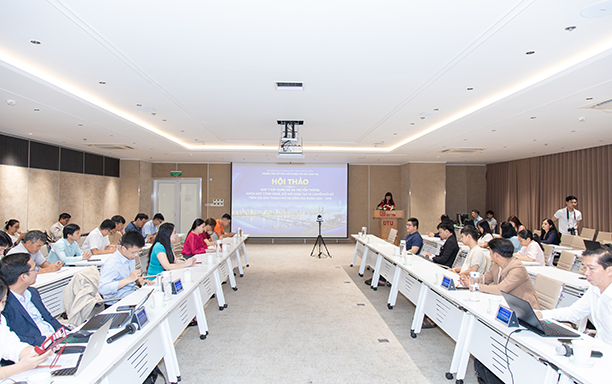
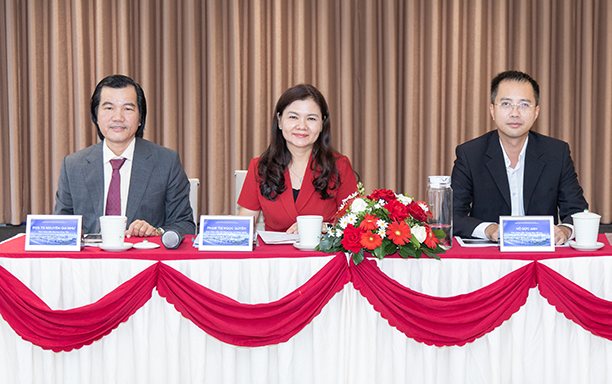
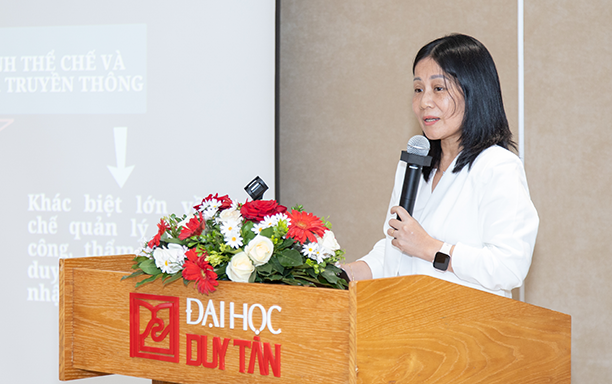
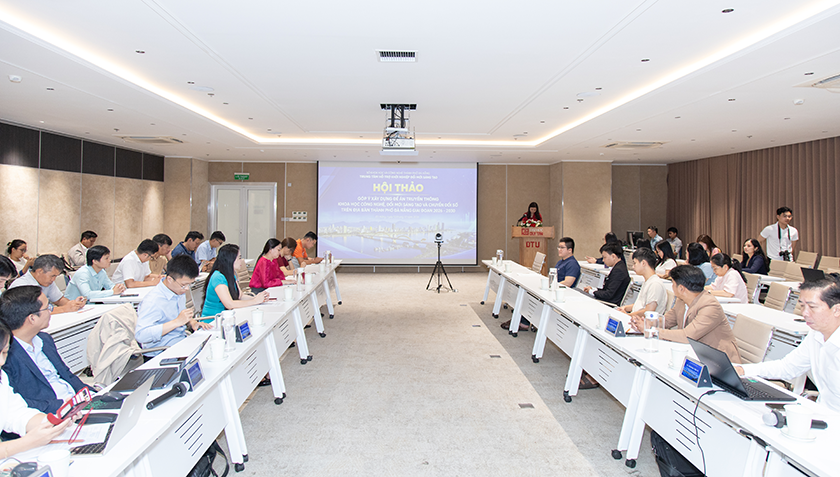
To improve the effectiveness of communications on science, technology, innovation, and digital transformation, the workshop “Feedback for the communication project for science, technology, innovation, and digital transformation for 2026-2030” was held on the morning of October 10, 2026, at Duy Tan University (DTU). The event brought together managers, experts, scientists, and representatives of government agencies, organizations, and businesses.
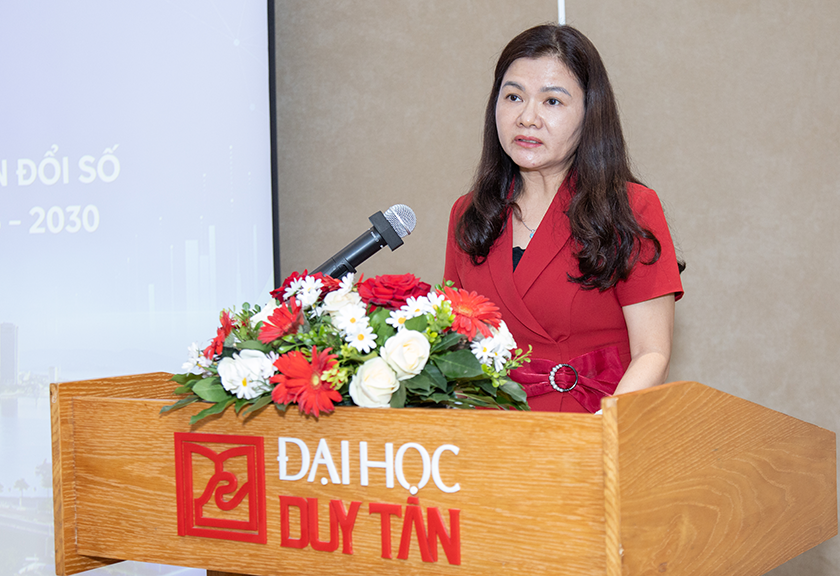
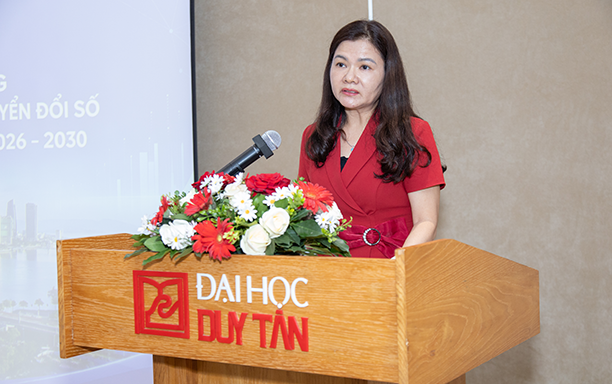
Ms Ngoc Quyen, Deputy Director of the Danang Department of Science
& Technology, speaking at the workshop
“While Danang faces new development demands in the coming period, communications efforts still have limitations,” Ms Pham Thi Ngoc Quyen, Deputy Director of the Danang Department of Science & Technology, said at the workshop. “Coordination mechanisms and information sharing among agencies and offices are not yet well-defined, and communications targeting businesses, investors, and international partners need to be further strengthened. Against this backdrop, developing a communication project for science, technology, innovation, and digital transformation for 2026-2030 is essential. The project will provide a foundation for the city to establish long-term communications directions; unify messaging, methods, and coordination mechanisms; and strengthen the application of digital technologies and AI in communications.”
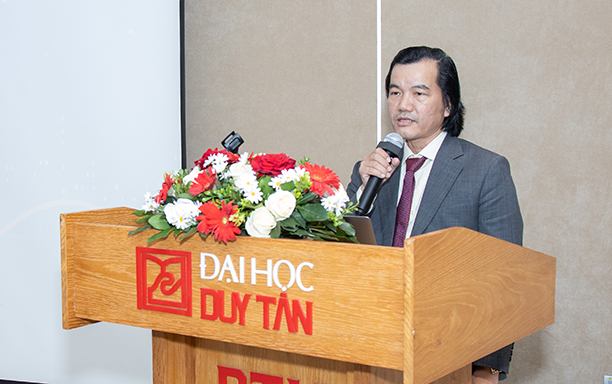
At the workshop, Assoc. Prof. Dr. Nguyen Gia Nhu, DTU Vice Provost and head of the project, presented an overview. DTU scientists and lecturers also delivered presentations on several key topics, focusing on an analysis of the current state of communications on science, technology, innovation, and digital transformation during 2021-2025; lessons learned from domestic and international experience; and proposals for objectives, directions, solutions, communications tasks, and implementation plans for 2026–2030.
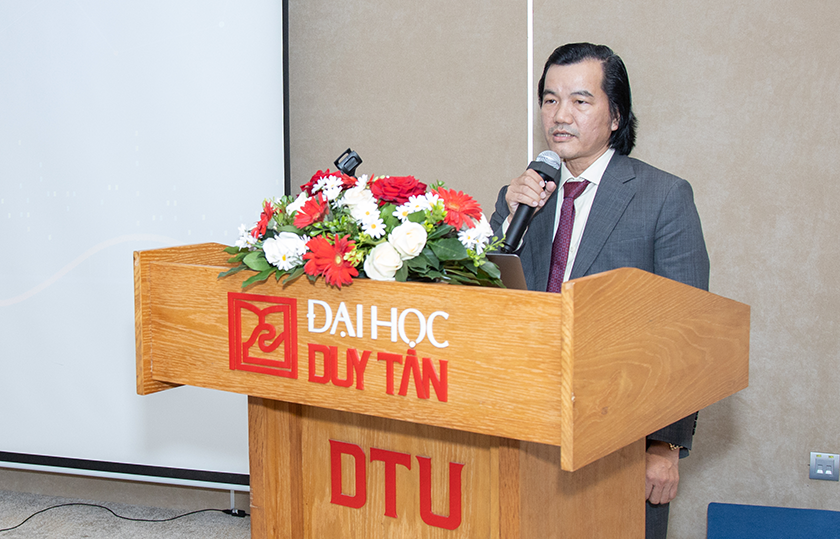
Assoc. Prof. Gia Nhu, DTU Vice Provost and head of the project, presented an overview
According to Assoc. Prof. Gia Nhu, communication on science, technology, innovation, and digital transformation in Danang and throughout Vietnam is facing new requirements from policies and laws. In response, developing a communications project for 2026–2030 should involve more than expanding the number of channels or increasing the frequency of stories. It should aim to establish a communications ecosystem with unified orientation, clear coordination mechanisms, and the ability to address the diverse needs of different audience groups.
The experts opined that a core requirement of the project is to establish
implementation methods whose effectiveness can be measured and verified
Echoing the need for integrated information systems, Assoc. Prof. Dr. Le Dac Nhuong of the Faculty of IT at Haiphong University observed that the city’s information systems, data, and communication channels remain fragmented and lack unified coordination. He opined that just expanding the communications network would not yet ensure effectiveness if stakeholders fail to coordinate, data-sharing mechanisms are absent, and responsibilities for providing, verifying, and distributing information are not clearly defined.
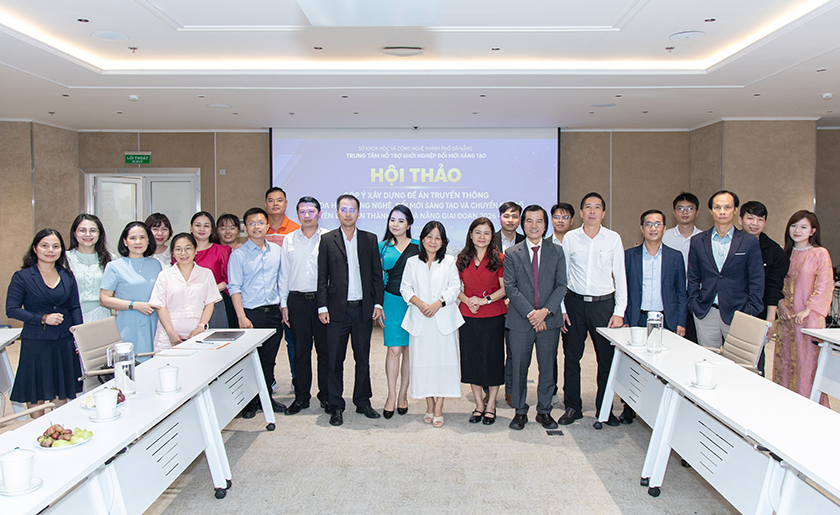
Managers, experts, scientists, and representatives of government
agencies, organizations, and businesses at the workshop
In light of these limitations, the experts opined that a core requirement of the project is to establish implementation methods whose effectiveness can be measured and verified. Views, number of accounts reached, number of news articles, and number of events reflect only the scale of information distribution; they do not demonstrate that audiences have a correct understanding, developed trust, or changed their behavior. Evaluating communications effectiveness must therefore go beyond quantitative indicators and focus on tangible changes in public awareness and action.
From this perspective, Dr. Hoang Thi Huong, Provost of the DTU School of Languages, Social Sciences, & Humanities, emphasized the principle that “Public communication is infrastructure of trust.” As such, Danang could achieve a breakthrough by connecting science, data, and communities, but should follow the principle of “pilot first, scale up later”. Models should be implemented on an appropriate scale, with baseline established in 2026. Results should be monitored, impacts assessed, and adjustments made before decisions are taken to expand or allocate additional resources.
In addition, the experts proposed the principle of “one official source, multiple formats” for organizing the communications system. A unified information source, a verification authority, and data management mechanisms do not mean presentation of content is restricted. Based on verified information, news and communications organizations should have the conditions to explore diverse perspectives, stories, and individuals to bring policies, research findings, and technological applications closer to everyday life.
The workshop also received expert input from representatives of Haiphong University, the Vietnam Academy of Science & Technology, the National Innovation Center, and other relevant organizations. Discussions focused on refining the plan’s objectives, tasks, solutions, and implementation arrangements to ensure that it reflects realities, is feasible, and meets Danang’s development needs in the years ahead.
The opinions shared at the workshop provide an important foundation for further refining the communication project for science, technology, innovation, and digital transformation in Danang for 2026-2030. The plan should raise public awareness; strengthen connections among management agencies, scientists, educational institutions, businesses, and residents; and promote the application of science, technology, innovation, and digital transformation to support the city’s socioeconomic development.
(Media Center)
Other News