Research
DTU Scientists Research Conservation of Ngo Van Tri’s Lady Butterfly Lizard and Raise Community Awareness
After a three-year research project on Ngo Van Tri’s lady butterfly lizard (Leiolepis ngovantrii) supported by the German Zoological Society for the Conservation of Species and Populations (ZGAP) and Duy Tan University (DTU), the biodiversity & conservation research group at DTU’s Institute of Theoretical & Applied Research (ITAR) organized the outreach & education program “Species protection, ecosystem preservation, join hands for nature” at Xuyen Moc junior high in Ho Chi Minh City in September 2026, in collaboration with the Institute of Biology and the Ho Chi Minh City Protection and Special-Use Forest Management Board.
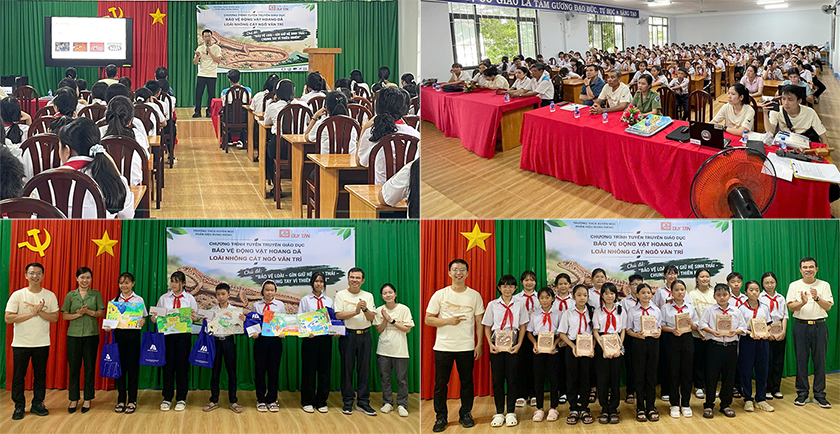
Outreach & education event “Species protection, ecosystem preservation,
join hands for nature” at Xuyen Moc junior high in Ho Chi Minh City
“Research and conservation efforts for wildlife are unlikely to achieve sustainable results without community support,” Dr. Ngo Ngoc Hai of DTU’s Institute of Theoretical & Applied Research explains. “Educating students about biodiversity and nature conservation from an early age is therefore essential. It helps them develop awareness, responsibility, and a love for nature. This allows conservation messages to spread more widely among families and communities, contributing to positive, lasting changes in how people interact with nature.”
As the principal investigator of the research project on the rare endemic Ngo Van Tri lizard, Dr. Ngoc Hai, alongside other members of DTU’s biodiversity & conservation research group, shared knowledge about biodiversity, its role in ecosystems, and the importance of conservation with more than a hundred students at Xuyen Moc junior high.
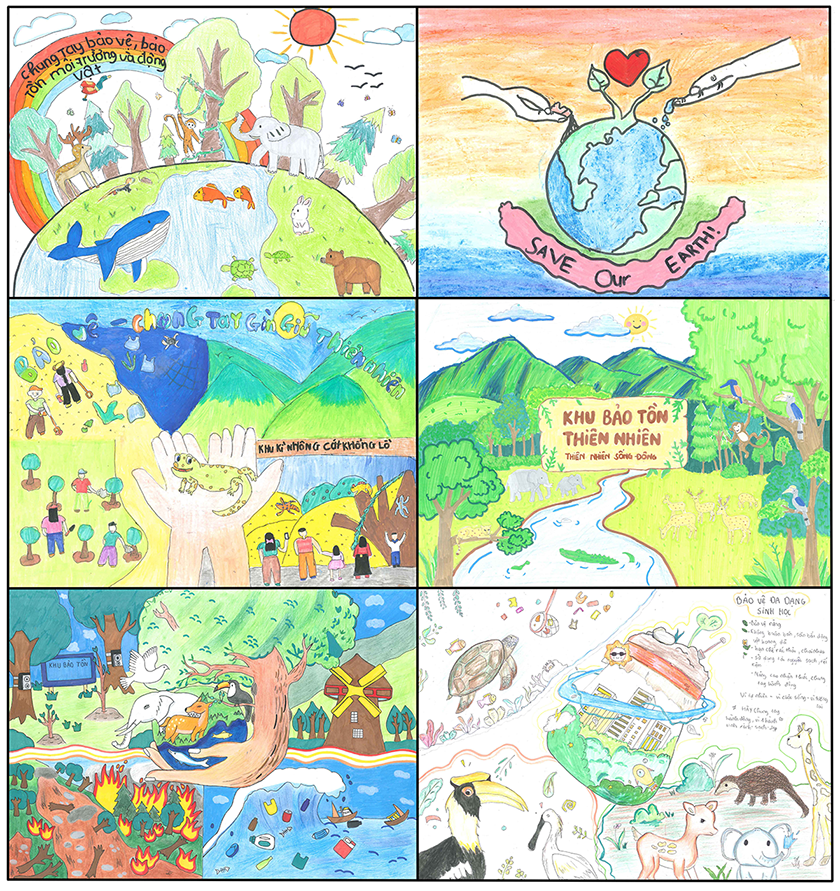
Entries in the drawing contest “Protect biodiversity”
The DTU scientists also introduced students to the Ngo Van Tri lizard, a Vietnamese species in need of conservation, along with other rare reptiles and amphibians. This gave students a better understanding of the value of wildlife and the importance of preserving biodiversity.
The students enthusiastically participated in a drawing contest themed “Protect biodiversity”. Just a few days after the contest was launched, nearly seventy entries had been completed by students of various ages, showing their diverse and creative perspectives, as well as their love for wildlife and commitment to protecting it. The organizers presented a first, a second, and a third prize, two consolation prizes, five promising-artist awards, and nearly sixty participation awards.
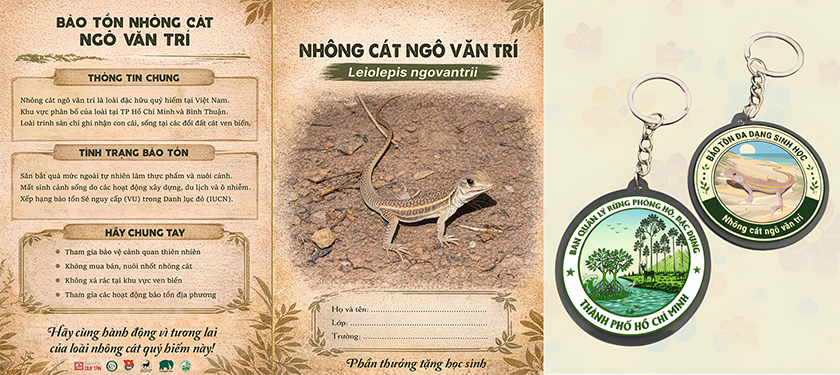
Specially designed notebooks and keychains gifted to students
During the event, DTU and Dr. Ngoc Hai awarded five scholarships to students who had overcome difficulties to achieve strong academic results. A thousand specially designed notebooks with images and text about protecting the Ngo Van Tri lizard and two hundred keychains and a hundred shirts with designs related to the species were gifted to the students. These practical products were more than mere presents for students and teachers; they are also engaging and accessible ways to send a message about protecting nature and wildlife to the wider community.
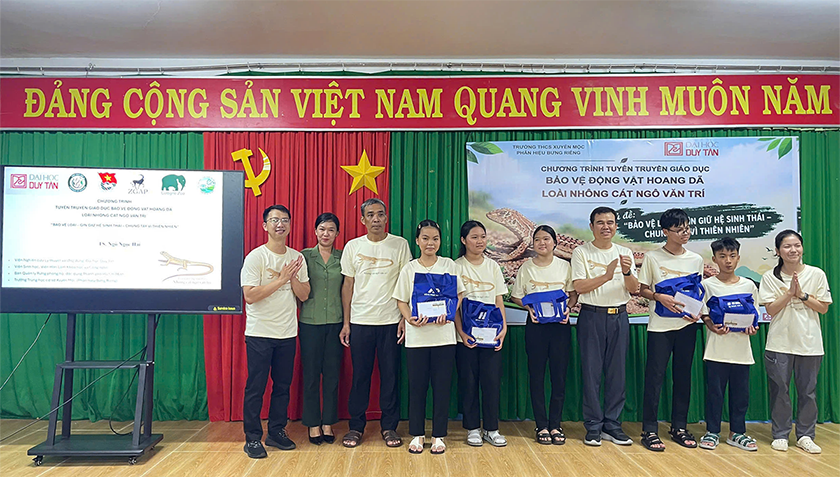
DTU awarded scholarships to students
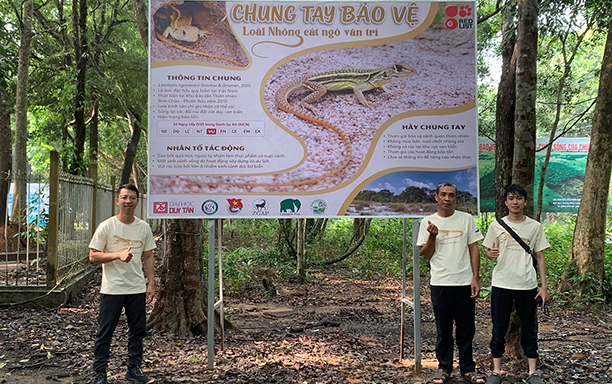
Alongside outreach to raising awareness of biodiversity conservation at schools, DTU’s biodiversity & conservation research group worked with the Ho Chi Minh City Protection and Special-Use Forest Management Board to install informational displays about the Ngo Van Tri lizard at the board’s headquarters. These provide basic information about the characteristics, value, and conservation significance of the species, thus spreading conservation messages to staff, residents, and visitors.
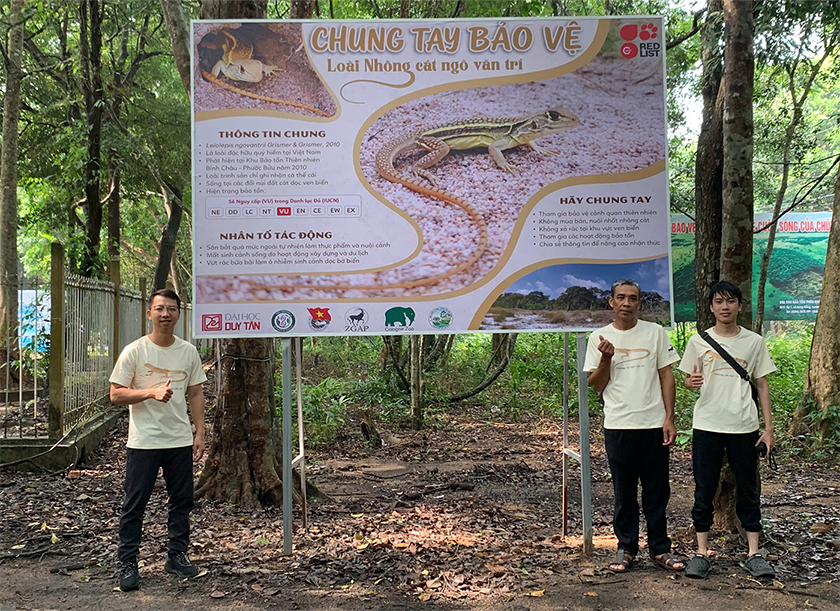
Dr. Ngoc Hai and his research team installed informational displays about the Ngo Van Tri lizard
“Drawing on scientific data collected in the wild, our research findings on the Ngo Van Tri lizard have gradually been translated into concrete activities to raise awareness and encourage community participation in conservation efforts,” said MSc Nguyen Thi Ngan of DTU’s biodiversity and conservation research group. “We are continuing our research on the Ngo Van Tri lizard, not only to further clarify its value and current status but as a foundation for scientific and effective conservation solutions.”
The research project on the Ngo Van Tri lizard by the biodiversity and conservation research group at DTU is progressing with many noteworthy results. This rare lizard with the scientific name Leiolepis ngovantrii is endemic to Vietnam and was scientifically described in 2010. Its natural population has been established to be all-female and to have originated through natural hybridization between two different species. The species is considered highly valuable for scientific research and conservation.
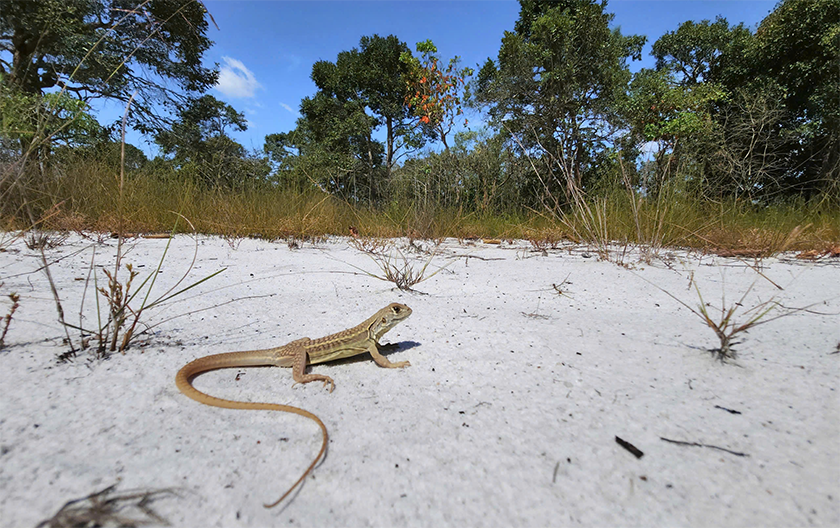
The Ngo Van Tri lizard in nature
Through transects across a range of habitats - coastal areas, forests, agricultural lands such as cassava and corn fields, and several cemeteries - the research team has uncovered important information about the species’ ecology and behavior. The study has also identified many threats to the Ngo Van Tri lizard population. In particular, harvesting and hunting for food, tourism development, and infrastructure construction pose risks of degradation or even complete loss of the lizards’ habitat.
These findings demonstrate that conserving the Ngo Van Tri lizard should be based not only on habitat management measures but also on active participation and greater awareness among local communities.
“Our research findings on the Ngo Van Tri lizard have been submitted to the ZGAP fund and have a received positive assessment, particularly regarding the integration of scientific research with local conservation education and outreach,” Dr. Ngoc Hai says. “The ZGAP fund is currently considering featuring the project in its communications activities as an effective funding model that generates positive community impact and raises awareness of biodiversity.”
(Media Center)