Research
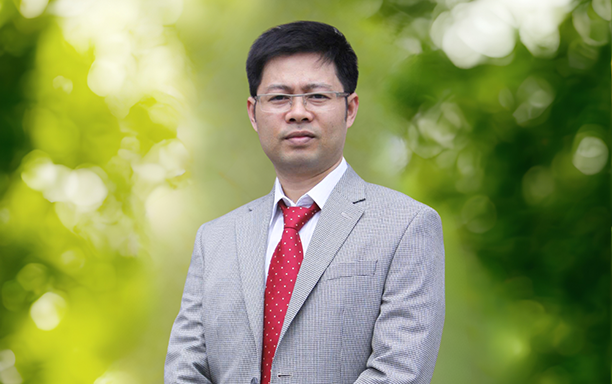
The well-known Vietnamese PhD, Duong Quang Trung, from Queen’s University Belfast, Northern Ireland, shared some valuable knowledge with young Vietnamese students on how to successfully research full PhD scholarships in developed countries. Although he is busy teaching and researching, Dr. Trung still finds time to return to Vietnam every year.
Grades are important, but not decisive in scholarship hunting
The International Scientific Research Summer Camp is an opportunity for Vietnamese Master’s degree holders in Electronics and Communications and IT. Dr. Trung and his co-workers created the camp to assist young scientists in Vietnam to identify full PhD scholarships in developed countries. The International Scientific Research Summer Camp is supported by the British Council and the Newton Fund, with the assistance of DTU.

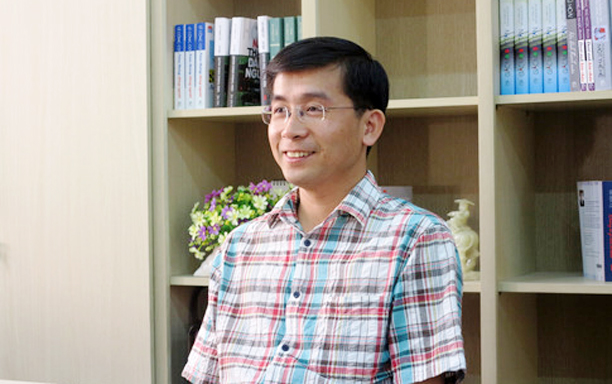
Dr. Trung gives tips on how to research PhD scholarships abroad. Photo: Dieu Hien
“Every day I get many emails from students, including Vietnamese, asking about scholarships abroad,” Dr. Trung explained. “They also send me application forms and, when I see them, I can only rate them as 3/10, but those very same applications could probably, if better planned and written, win good scholarships. Only two or three extra days of work are required to turn a 3-point application into an 8-point one. This is why I started this International Scientific Research Summer Camp, to teach Vietnamese students how to search and apply for the best PhD scholarships”.
The first camp Dr. Trung organized was huge success, with 22 Master’s students participating. One year later, 11 of them received scholarships and now studying for their PhDs in the UK, France, Japan, and the US.
One of the weaknesses of the Vietnamese students who apply for scholarships abroad, according to Dr. Trung, is not knowing how to format an emailed cover-letter or CV. They then send applications to professors, without knowing exactly what they specialize in. “Grades are important, but not the main factor that decides if an application for a full PhD scholarship is successful or not,” confirms Dr. Trung.
There are high chances of gaining a full PhD scholarship if one knows how

Dr. Trung shares his valuable experiences with young PhD applicants
Dr. Trung explained that most established universities in developed countries grant full scholarships to students worldwide. Using the internet, we can easily find them. However, as these scholarships are widely publicized, the number of applicants is high. “In some countries, such as China, India and Iran, students prepare excellent PhD applications, speak fluent English and have excellent, comprehensive skills,” said Dr. Trung.
When applying, it is necessary to have acquired broad skills and prepare a well-planned application, accompanied by a cover-letter which explains what motivates the student’s desire to study. Students must be fully qualified and enclose a letter of recommendation from a reputable professor. These are the skills that are taught at the summer camp: how to determine the application procedure for PhDs abroad, in Europe, the US, Australia and other developed countries, and how to successfully apply.
The applicants learn about useful topics, how to improve their knowledge and research skills, and how to become acquainted with foreign PhD programs, through lectures given by professors in the United Kingdom. The participants can also get involved in community activities with colleagues with the same passion for research.
Dr. Trung produced the best of three thousand international research papers to win first prize at the International Conference on Communications (ICC) in June 2014. He is 37, from Hoi An. He is the author of 100 scientific publications in ISI-indexed journals.
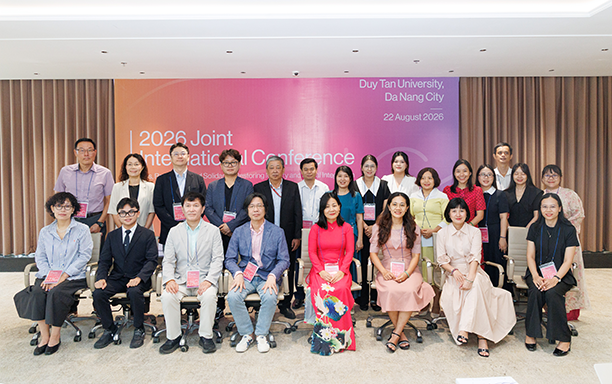
This is the second International Scientific Research Summer Camp. “The success of the first camp inspired me to continue to create more opportunities for young Vietnamese,” explained Dr. Trung. It took place at DTU from August 22nd to 24th. Experts explained how to search for scholarships and the advanced research skills required to look up and cite references, how to avoid plagiarism, how to write scientifically, how to present at conferences, the structure of an ISI-standard paper and how to use software in research and calculations. The latest research in Electronics and Communications and in Information Technology were also covered at the camp.
(Media Center)
Other News